



| Dental Podcast Episode - The Dr. Phil Klein Dental Podcast | Listen on: |

|

|

|

|
and others. |
Episode 340: Electric Handpieces: Why They Are So Powerful to Your Practice
 |
Disclaimer
Viva Learning LLC sites offer content that include opinions, techniques, recommendations, etc. from a variety of writers and speakers that are not necessarily endorsed by Viva Learning LLC, its associates and sponsored Viva Affiliates. Viewers are responsible for verifying the validity, accuracy and relevance of all content before implementing any techniques, products or recommendations into their clinical setting. Viewers understand that Viva Learning LLC, its associates, writers, speakers and sponsored Viva Affiliates are not in any way responsible or liable for any adverse events that may occur (i.e., in a clinical setting or anywhere) based on any information disseminated from Viva Learning LLC sites, including all Viva Learning sites.
The copyrights and other rights to the slides and video contained in this webinar are owned by the speaker, Viva Learning LLC, and/or the sponsor company and/or its subsidiaries worldwide. You are only authorized to view the content of the webinar (live and archive) at this Website and are not permitted to screen capture, record and/or download any content displayed in this webinar. You may not make any part of this Website available as part of another web site whether by hyperlink framing on the Internet or otherwise.
By signing up for a free webinar, you give Viva Learning LLC and/or its Viva Learning Affiliates permission to send you emails alerting you to future CE opportunities and e-learning content.
Questions regarding our Conditions of Usage, Privacy Policy, or other policy related material can be directed to our support staff by clicking on the "Support" link or you can email us at: support@vivalearning.com.
Approval does not imply acceptance by any regulatory authority or AGD endorsement.
Approval period: 11/1/2025 - 10/31/2029. AGD Provider # 217544
Presenter Information: Dr. Ron Kaminer
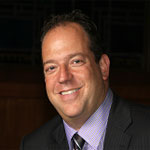 |
Dr Ron Kaminer is a 1990 graduate from SUNY at Buffalo School of Dental Medicine. He maintains two practices, one in Hewlett, NY and one in Oceanside, NY. Dr Kaminer is an international expert in the field of Dental lasers and has lectured on Lasers and minimally invasive Dentistry nationally and internationally. He is Director of the Masters of Laser training program in New York, and is a clinical consultant and lecturer for numerous companies, including, Ultradent, Lares, GC America, AMD Lasers , Camsight, Nu Calm and Smile Reminder. Dr. Kaminer maintains a teaching appointment at Peninsula General Hospital in Far Rockaway , NY . He is also a clinical instructor with the International College of Laser Education. He has authored numerous articles on Dental lasers and minimally invasive Dentistry. He is a member of the Academy of Laser Dentistry, Academy of General Dentistry, International College of Facial Esthetic, and American Dental Association. He lives in Hewlett, NY with is wife Jackie and three children, Josh, Erika and Matt. |
Viva Learning is an approved AGD PACE Provider and California State Dental Board Provider of dental continuing education. Viva Learning strives to deliver balanced, objective and clinically relevant information grounded on scientific research. Lecturers who are invited to deliver Viva CE webinars are advised to substantiate their claims with research-supported data and to disclose all commitments to, or relationships with, any commercial entity within the dental industry. In many cases, lecturers are sponsored by a dental manufacturing company, which provides them with support in the form of honorarium and/or dental products and equipment in order to help with clinical presentations. Prior to each live CE webinar, lecturers are made aware of the importance of delivering their presentations without commercial bias, and where appropriate, to mention a variety of different product choices that may be relevant to the subject matter of the lecture, for the educational benefit of the participant.
Transcript
Welcome to the show. I'm Dr. Phil Klein. Today we'll be discussing the benefits of electric
versus traditional air-driven handpieces. Our guest is Dr. Ron Kaminer, a graduate from SUNY at
Buffalo School of Dental Medicine, who currently maintains two practices, one in Hewlett, New York,
and one in Oceanside, New York. Dr. Kaminer is an international expert in the field of dental
lasers. and is a world-respected speaker on lasers and minimally invasive dentistry.
Dr. Kaminer, it's a pleasure to have you back on the show. Thanks. I'm looking forward to today's
podcast. We talked about different equipment in the office. So with all the experience you have
practicing dentistry and experimenting with different types of hand pieces, if someone is
considering using an electric hand piece, tell us what they should be looking for. Like most
dentists for years, I was strictly... using air-driven handpieces, I would say, until about 10
years ago. And I incorporated my first electric in the office, and despite its goods and its bads,
it brought a lot of advantages over air-driven handpieces. Today, you couldn't give me an air
-driven handpiece to use because I've become so accustomed to the electric handpieces. And there's
so many advantages to using those electric. So let's talk about why. First and foremost,
torque. We all know when we use an air-driven handpiece and we cut a crown off, or especially a
zirconia crown, that burr will either stop or you'll get chatter of the ball bearing in the head.
Well, the beautiful thing about electrics is you can lean into handpieces and you have unlimited
torque. So you're going to cut through crowns like a hot knife through butter. Same thing with
teeth. I mean, you don't have to paint finish lines. If you know where you want to go, you just put
that burr there and it's going to go. So I think number one. The torque is extremely critical.
Number two, the ability to dial down power with electrics is extremely,
extremely important. So if I want to polish composites with an electric slow speed, or if I want to
trim an acrylic with a nose cone electric slow speed, I can drop down the power to 20,000 RPMs
with the same motor and have that precise amount of power that I need.
If I want to finish a margin for crown and bridge with a fine diamond, I'll drop.
the power down to 15 or 18,000 RPMs with a high speed. And all these things allow for ideal
control on my part to achieve the final result. And finally, what I want to add is when you're
removing decay, when removing carries, you can literally take that slow speed down to 10 or 15,000
RPMs and actually feel the decay. So it gives you incredible tactile sensation.
when you do these procedures so you factor in the torque you factor in the precision that you get
allowing you to customize the power and the torque for what you want and then it's hard to go back
to air driven hand pieces so when you dial down the rpm you're saying power and we're using words
power torque and rpm what's the difference i mean does the control panel just tell you okay let's
move from 40,000 RPM or what's high speed? 40,000 RPMs or with the electrics,
I'm using 200,000 RPMs with a one to five reduction. So it's the equivalent of 40,000,
but getting ideal torque, getting the power on top of that. So I use NSK products in the office and
that's what I have. And that little brain, the little motor, if you will, that runs the whole
thing, the NLZE little brain has the ability to customize torque. and has the ability to customize
RPM speed. So the touch of a button, I can go ahead and move from 40,000 to 30 to 20 or the six
presets on it. I have a preset to the most common ones that I use and I just hit the memory button
and I can move them down. And once I set that torque and set the RPM, I can lock that into the
memory as well. I was going to ask you about the presets because those are really important for
convenience. So that becomes a no-brainer. Once you feel comfortable with the equipment and you
set those presets, boom, it's one tap and you're good for that procedure or even part of the
procedure. No question. So in my office, I have, let's say, a high-speed setting, which I use for
operative and crown and bridge. My preset two is carriage removal, which dials it all the way down
to 20,000 or so RPMs. My preset three is to polish. It's down to about 15,000 RPMs.
And then I have a few other custom settings. I drop one down all the way because I can use my latch
that I use slow speed and put an implant screwdriver on and drop the RPMs all the way down and also
change the torque so it's barely moving. And I can use it as an implant screwdriver if I really
need to, if it has tough access in the back of the mouth. Can you use it for endodontics as well?
Absolutely. So the incredible thing about this brain is what I want to call it. The NLZ is not only
can use it for endo, but if you're doing reciprocal endo reciprocation, this can also handle that.
So by the touch of a button, you can go from rotary to reciprocation, allowing you to really use it
with any endo system that you use out there. Yeah, that's very convenient. So tell us about how you
optimize your dental hygiene services with some of this equipment.
about NSK as a company is they're kind of a full-service company and that they have an incredible
hygiene line. So in our office, we've been using piezoelectric scalers for a very long time.
And I think it's very well known that piezos are far more comfortable to patients because of the
way the tip hits the tooth, if you will. There's less chatter and whatnot,
so you can drop power. Use a finer mist spray so the hygienists have more access and easier to see.
The Vario Series, which is NSK's line of piezos, gives you the ability to have an outstanding piezo
in the office with a plethora of tips that any hygienist can pick from. On top of that,
keep in mind that this piezoelectric is not just for hygiene. You can use this to remove posts,
remove fractured implant screws. With the right tip, you can use it for endo. So you can customize
it for other uses as well in our office, primarily hygiene. With that, my hygienists also love the
ProfiMate Neo. And the ProfiMate Neo is a ProfiJet that actually snaps right on to a coupler.
So you don't need a whole other device in the office. It snaps right on to a coupler, and you're
able to remove stain with that as well. So you not only get the piezo, but you get the ProfiJet,
if you will, or ProfiMate, giving you a complete hygiene package.
probably kept electric handpieces from really exploding, at least when I practiced, was that they
were heavier, they were larger than an air-driven handpiece. And again, I don't know if you
mentioned on this podcast, have you completely given up air-driven handpieces or are you still
using them? So it's an interesting question because in your bio, when you introduced me,
which was true until about five days ago. I had two offices. I now have a third office that I
purchased last week. And we just got it up and running. The equipment's really old. We've made some
changes. I haven't gotten my NSK shipment yet. So I'm using the NSK air handpieces that I brought
from one to that office. And so I'm still using air in that office. But the minute I can get away
from it, I will. Not because the air-driven are not great handpieces, because NSK makes great
handpieces. It's just I'm so accustomed to the electric. But to your point, the incredible thing
about the NSK handpieces is they're all made of titanium, hence the name Timex series.
They're all titanium. Titanium is going to be much lighter than traditional handpieces. And as you
and I both know, today in dental school, well over 50% of the population are female. And heavy
-handed handpieces could make a huge difference for them. They actually have a shorter handpiece
now that was kind of... Designed for smaller hands, or anybody with smaller hands. So between
having a lighter handpiece and a smaller handpiece, they're really covering the whole gamut of
potential operators with the electrodes. And by the way, you lose no torque or no power with any of
these other handpieces. When it comes to oral surgery, we know we have to get into areas that are
pretty difficult to access. We talked about a handpiece that you use for that. I do a little bit of
surgery, but I have an associate that does a lot of surgery. we were always using, and he always
uses, the Timex Z45L. It's a 45-degree handpiece. So if you're working in the back of the mouth,
it's much easier to see when you're using a 45-degree handpiece, especially in a deep situation. I
think what's very unique about this handpiece is that with a little tool, you're able to adjust the
air spray to go from no air... to traditional air. So if you're concerned about air emphysema,
air blowing in, you can still have water coming out. So you can have a traditional air water spray
or just shut that air off and have the water dripping in. And not that I want to play this point,
but I think it's important to mention when the whole hullabaloo came out initially about COVID,
about aerosol in the operatory, this really came into play. So you were able to use this handpiece.
in surgery and really not generate any aerosol just by turning off that chip air.
And you still had the cooling effect for the teeth and the bone. So very unique handpiece and with
tremendous amount of uses in the office. You covered quite a bit of advantages to electric. Are
there any disadvantages? Listen, I would say the only downside, like any other piece of technology,
is cost. And, you know, when I speak to dentists, I always try to tell them, but what's your return
of investment? Yes, it's more costly than a high-speed handpiece. But what's your ROI?
I look at ROI in two ways. One is, will it make me more money? And two, will it preserve heart
muscle? Is it going to make my life easier? And for sure, electric is going to make your life
easier across the board. I can make a case it's going to make you more money because you could prep
faster and things like that. But I wouldn't harp there. I'd really harp on the fact that it's going
to make your life easier. It'll save you some money where you won't be damaging. air-driven
handpieces, you know, constantly and breaking those ball bearings. So when you look at it that way,
there's really no disadvantage to electric. And with the materials we're using today, zirconia and
the other ceramics, I guess you're pretty happy you have an electric handpiece in the practice when
you have to cut through those. Yeah, absolutely. I actually cut through five crowns this morning
and three of them were PFMs, but you cut through these like a hot knife through butter. Literally
is the way it works. I cut off two zirconia crowns today. They really cut right down the center,
and it's just very easy. And that's what I mean, preservation of heart muscle. It really makes your
life easier. What do you use to go through zirconia? Is it a diamond? That's one of the
misconceptions in dentistry. So most people think you take a coarse diamond to go through zirconia,
but the right thing to do is either take a fine diamond. So we use a fine shoulder diamond or
chamfer diamond for microcopy, or actually Premier makes this two-strike diamond,
a two-strike. orange diamond that will actually is specifically made with the grits to cut through
zirconia. So, but a fine strike diamond will work as well. And I think that's what the important
takeaway there is. As we wrap up this podcast, Dr. Kaminer, tell us how important it is for you as
a practicing dentist to really trust the company you're buying equipment from, especially hand
pieces, something that we use so often in our practice. I think that's a very important story,
Phil. I will tell you about the company, then tell you a story which we could close with, which
will really tell the essence of the company. First of all, I don't want to fail to mention that
they're so confident in their product, you get pretty much two-year warranties in almost
everything, all the hand pieces that you buy. So right away, you know they have confidence. The
president of the company has worked at every major hand piece company for the most part.
has worked in every major handpiece company in the industry. So he knows them all. He knows the
industry really, really well. Their sales team is very, very well trained. They're very well versed
in the product and they sell based on need. They come to your office, they're going to talk to you
and you're going to tell them, hey, I do a lot of Crown & Bridge. They're going to product focus
based on what you need. They may not even talk to you about air-driven handpieces because they
know you need electrics. But I want to tell you a quick story. I'm in a lot of Facebook groups and
about a year and a half ago, I was on a group. And someone was on there ranting and raging about
their NSK handpiece. It wasn't working right. This whole story. Colin Rogers,
the president of NSK, is a personal friend. He's become a personal friend over the years. I reached
out to him. I said, Colin, you got a gal on here that's really making noise about your stuff. Now,
you tell me, Phil, because you've been in this industry as long, if not longer than I have. How
many presidents of companies would tell them? to direct message this person and give them that
personal cell phone and handle it on his own. Very rare, very rare. Yeah, I actually know Colin,
and that's the kind of guy he is, but it is very rare. So he did that, and the next day she
retracted her whole hullabaloo saying that, you know, this is what happened, and I have complete
confidence in NSK. So it can come from me, but that's a true story. I think that tells the story of
this company. They are a down-to-earth company that just wants to serve the needs of their
customers. And, you know, I'm just real happy with my six, seven, eight,
nine, 11 operatories in multiple offices of NSK NP, soon to be four more.
Thanks, Dr. Kaminer. Appreciate all your time and look forward to number 38 or something on the
webinar side. Coming up soon. All right. You take care. Have a great weekend and thank you very
much. Thanks. Be well.
 Episode 789. Why Biomimetic Dentists Demand A Precision Handpiece
7/27/2026 - CE Credits: 0.5 CEU (Take Exam)
Episode 756. Finding Fulfillment in Modern Dentistry: A Discussion with Dr. Sheila Samaddar
3/30/2026 - CE Credits: 0.5 CEU (Take Exam)
Episode 685. Winning Over the Pediatric Patient: Tips from a Board-Certified Expert
7/14/2025 - CE Credits: 0.5 CEU (Take Exam)
Episode 671. Implant Success Starts Here: Picking the Right Motor and Handpiece
5/27/2025 - CE Credits: 0.5 CEU (Take Exam)